METHODOLOGY · STRATEX

Cybersecurity exercises build preparedness through response.

Strategic cybersecurity exercises build on the “not if, but when” principle: sooner or later, cyber incidents hit every organisation, sector or country. An exercise simulates a crisis with its consequences, with unexpected turns, trade-offs and disagreements. The value lies in what the decisions reveal: what each choice costs, what it rules out, and how differently people decide.


01

Play it through

A realistic threat scenario runs through decision-points, each of which has its own considerations and consequences.

02

Face the uncertainty

Incomplete information, scenario twists and legitimate disagreements showcase the inherent uncertainty in cyber crises.

03

Achieve strategic readiness

Strategic cyber readiness is achieved through understanding of mutual expectations, procedures and risk thresholds.

STRATEX exercise methodology
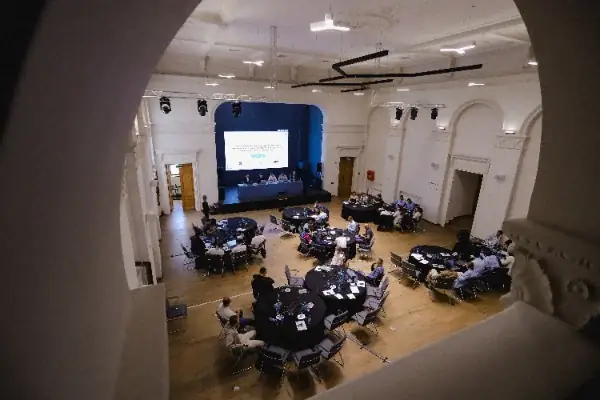
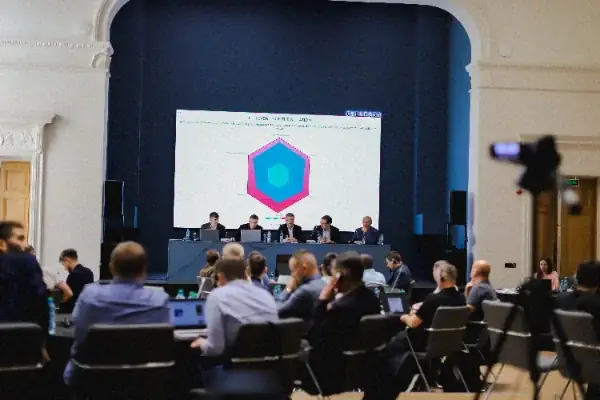
STRATEX exercise session
STRATEX exercise debrief
CHALLENGES AND APPROACH

Strategic Cybersecurity Exercises Methodology

THE CHALLENGE
RISKSIGHT’S APPROACH
01

Management responsibility

Leaders must recognise their responsibility and liability for cybersecurity decision-making, and not delegate it down the chain.

Executive approach

Executives require an executive approach and questions relevant to them: policies, procedures, risks, communication strategies and decision-making implications of responding to cyber incidents and crises.

02

Engagement and technology

PowerPoint still rules the boardroom: a few voices dominate, outliers go unheard and a massive amount of information is lost.

Mind-mapping and actionable outcomes

Collecting the inputs and decisions of all participants allows outliers and out-of-the-box solutions to be identified through a rich and diverse dataset.

03

Outdated format

Exercises have become repetitive and mundane, delivered in the same format and always from point zero, with little flexibility in layout and setup.

Stress and having fun

Executives are already under plenty of stress. Exercises should be enjoyable and engaging as artificially increasing stress levels does not yield optimal results.

04

The “interface problem”

Digesting complex technical concepts at the executive level means solving the “interface problem” that often exists between technical specialists and executives.

Substantive and framework decisions

The cornerstone of the exercise is key analytical questions about decision-making processes, addressed from the perspective of a strategic decision-maker.

05

Uncertainty and illusion of control

Cyber crises are inherently uncertain and can create the illusion of being in control, with scenario twists around the corner.

Ensuring the flow

The proprietary methodology, using decision-making dilemmas, ensures the smooth flow of the exercise. Disagreements are allowed.

06

The “single right answer” paradox

In complex situations there is not necessarily a single right answer. Participants should understand the effect of their decisions when choosing between options.

Complexities and alternative outcomes

Unlike fire-drill-style exercises, modelling hypothetical situations allows participants to choose between different scenario options with cascading outcomes.

DESIGN AND PLANNING

The Exercise Design Process & Framework

Exercises are planned through a three-step process and designed with a proprietary framework of six core components.

THREE-STEP PROCESS
01

Design framework

The foundation of a successful exercise.

02

Conduct

Live conduct of the exercise, on-site, online or hybrid.

03

Analysis and benchmarking

Results are measured, benchmarked and reported.

SIX DESIGN COMPONENTS
01

Objectives

Purpose of the exercise broken down into specific objectives.

02

Scope

Boundaries, lifecycle, jurisdiction and constraints.

03

Scale and target audience

Entities and individuals taking part in the exercise.

04

Content

Assets, scenario structure and threat modelling.

05

Analysis and benchmarking

Interpretation of results in the context of the exercise.

06

Practicalities

Timing, venue, format and logistics.

GET STARTED

Begin cyber training

Discover how RiskSight’s cyber resilience trainings increase user cyber awareness and executive cyber preparedness.